

In competitive Muay Thai weight cuts are essentialIn some cases, they provide the fighter with a considerable advantage when facing his rivals. But there are not few cases that end in tragedy and we are not yet aware of the repercussions that would have a drastic weight cut in each competition in the health of our body.
Before we get into muddy territory, if you are a competitor who is always 2-3 kilos overweight and you cut that weight with a controlled diet for weeks and by reducing your intake and fluids the day before the passage, then you should have no problem. But I've seen some pretty beastly cases, of people spending days dehydrated and dropping 10 or 12 kg in two weeks. And we've all heard of some relatively recent cases of athletes who have died due to collapses caused by weight cutting.
That's a problem, high-level competitive sport is not healthy, but there are ways to do things with more sense and expose ourselves to less risk. En this article we will discuss the most commonly used ways to cut weight, and the differences between weight cuts in Thailand and abroad..
Outside Thailand: Diet and fluids
The most common way to cut weight is to reduce a few kilograms during the first few months of life. several weeks through diet, reducing calories and controlling nutrient intake to try to lose fat weight while avoiding muscle loss. And after this process, the days before the passage, generally a reduction in the intake of carbohydrates and salt (sodium)and a control of fluid intake to "dry" the body and lose the last kg of water. Sometimes with the help of sauna suits, salt baths or saunas.
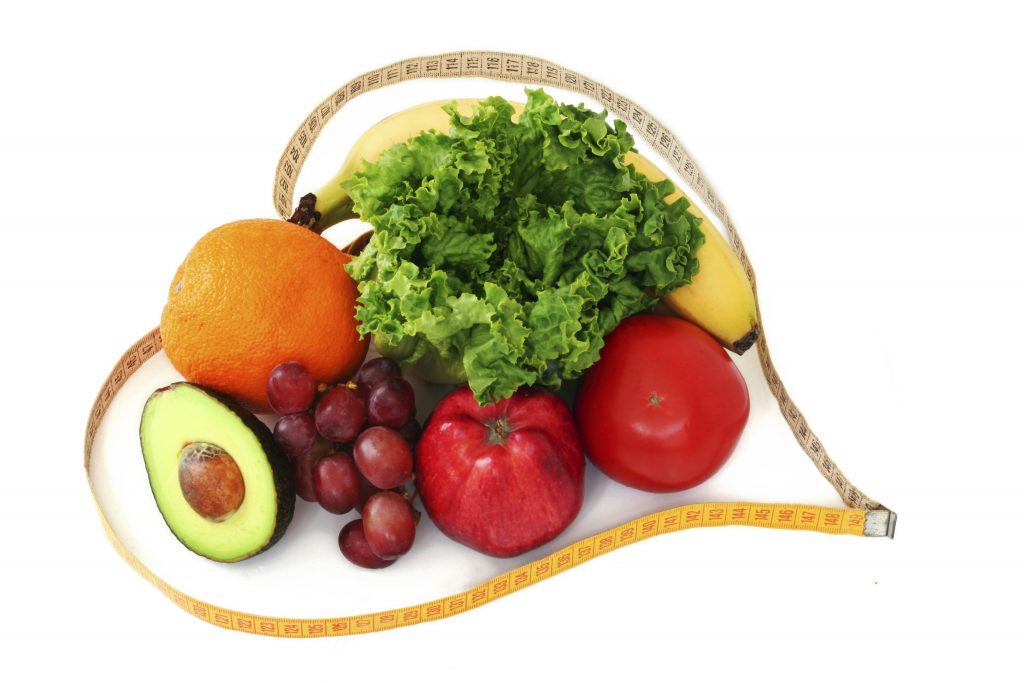
It is in this last part where most of the dangers. No athlete will have serious health problems from reducing carbohydrate and salt intake for a few days, especially if he or she is continue to consume protein, vegetables and the few fats that are that may be included. But this reduction of carbohydrates is due to the fact that sugar in our body is stored in the form of glycogenand to form this glycogen, a lot of water is used. From 3 to 4 parts of water to one part of sugar, that is, if we reduce sugar in the diet, we will be reducing the water in our body. The same happens with salt, sodium, our body always seeks a balance between water and sodium, the more sodium the more water we will store to compensate, if we remove salt, less water.
That is to say, with a normal water intake, removing the HC and salt from the diet we will have already reduced a considerable amount of water in our organism. The problem comes when we are still far from the fighting weight and we have to sweat and sweat to lose water. If you have ever sweated for a weigh-in you will know that it does not consist of sweating out 2 liters (kg) of water, weighing in, and drinking again. If it were like that there would not be so much of a problem, but to sweat 2 or 3 or 5 liters. days are needed. First, because the body is not able to lose water so quickly without suffer terribly and secondly because you don't want to spend 3 hours running the day before a fight.
Before we get into understanding the problem let's look at how they do it in Thailand and understand why it is more difficult for us.
Weight cutting in Thailand: sweat and eat little.
Thailand is that hot and humid country, where breathing a little strong and you break a sweat and where the main food, and sometimes almost exclusively, is rice. This will lead us to understand the weight cutting style in Thailand.
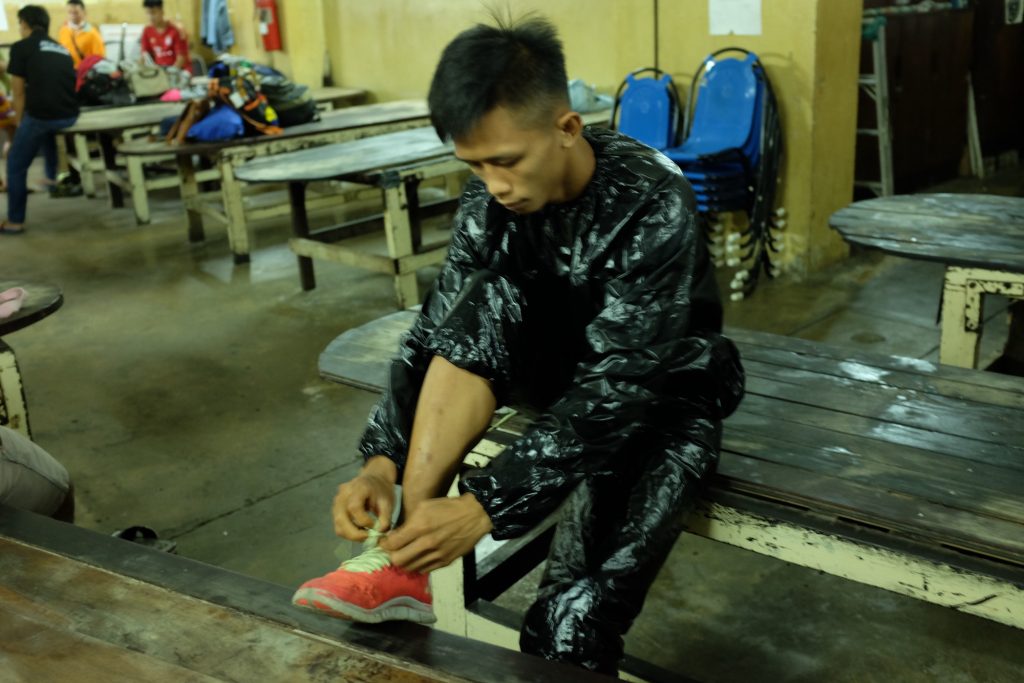
In Thailand, they train very hard until about 3-4 days before the fight, and then stop training and cut weight. Generally they do not diet, they eat what is in the training camp, without looking at carbohydrates, fats, proteins and much less salt. When they start to cut weight, a few days before the fight, they run (very slowly) 2 times a day in the hottest moments with a sauna suit, a full body fat plastic raincoat. Progressively, after sweating on that gentle jog they will reduce the amount of food and water they take in until the day of the passage (which is usually the same day as the fight but at 7 a.m.).
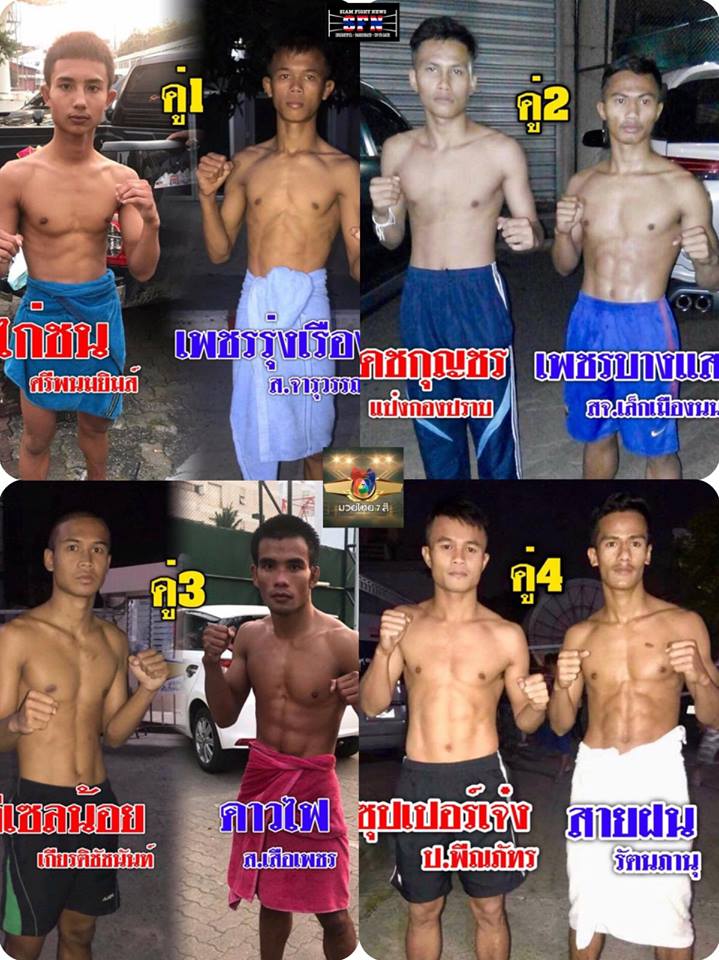
That is to say, dehydrate for days. They reduce food, but they don't eliminate rice, it's something that doesn't enter their head, to eliminate rice which is the staple and main food in the whole country from the time they are babies until they die. This is quite aggressive and risky, and it's certainly there have been cases of deathsBut the Thais know how much weight a fighter can lose without perishing in the attempt. They have been doing this for many years and generally will not make a fighter lose more than his body can handle. Although there are cases of fighters who cut a lot of weight and then during the fight, they will not make a fighter lose more than his body can handle. are not as strong as they could be.
So what are the problems?
When we lose a lot of weight
By now you may be wondering what the difference is between the risks of losing weight Western style and Thai style. Well, depending on the amount of weight the risks increase of course. But you have to understand that Thai people, being professional wrestlersThey are always in shape, with a stable body weight, and when the fight approaches, they sweat, lose weight and then recover it to fight and, after resting for a few days, they return to training, at its usual weightor maybe 1 or 2 kg above.
In the case of Western wrestlers it is different, many times they are far above of their natural weight, their "fit" weight, so they need to start losing weight. with much more timeIn many cases with aggressive and poorly controlled diets and when there are a few days left for the weigh-in, then the caloric intake is very low and they will have to sweat the last kilos to reach the weight. This sum of "aggressions" to the body becomes more dangerous as our body will be in agony for weeks before the fight, and not just the last 3 days where we barely train (Thailand style). And then they will fight and be inactive for a long period of time, which, added to the rebound effect of the diet, it will put us back in the initial and dangerous position we were describing.
Here is the sad news of the young talent who passed away by a drastic weight loss, unfortunately he has not been the only one but it was a very sound news last 2017.
When we have work or other obligations
Although the Thais use a very aggressive style of weight cutting as well, it is only for a few days. Also, in the routine of a Thai fighter, during the days of cutting weight, only that is done. That is, the fighter wakes up and, at 9 o'clock in the morning when the sun is strong, will go jogging in the sauna suit, then eat something, drink a little and sleep or be on the phone until 4 o'clock in the afternoon to repeat, then have dinner and go to sleep.
Now imagine yourself, going out to sweat on Wednesday (if the ticket is on Friday), and then going to work, or study or whateverThe workout is much harder, with a little food in the stomach and drinking little water, and then in the afternoon you go to the sauna, and sleep, to repeat the next day and increasingly demanding until Friday afternoon after work you go to weigh yourself. The beating is much greater because we are not only competitors but we generally have other responsibilities for which we need a body, AND a BRAINenergetic, energetic, watered and rested.
Because of the way we train and the way we our daily routineWe cannot do the same style of weight cutting as the wrestlers in Thailand. It is necessary to adapt our training, diet and weight cutting to our lifestyle and our responsibilities. I can't imagine a father picking up his daughter from school on a Friday afternoon dehydrated and barely able to stand up.
Tips
Get into a weight class that you can reach without doing anything crazy, where you are light but strong.
Do not leave the diet for the last week, it seems to be fashionable to compete to see who loses more weight in fewer days but that can end in disgrace.
CONSULT A PHYSICIAN IN CASE OF DOUBT
After the fight, indulge yourself but stay active and control the weight rebound.
It is recommended to eliminate a percentage of water of approximately 5% maximum of body weight, but consult a physician.
Avoid mistreating your body for amateur or minor fights, at those levels it is important to gain experience and not so much to win everything.
Know and listen to your body, not always the examples of others serve for our case, if you have to call the promoter to raise a little the agreed weight is done.
Last observation
It is important to make a good weight cut, and fundamental to make a good recovery, of water, salts and carbohydrates mainly before the fight. In this aspect many people fail and I hope soon to dedicate another space to talk about weight regain. Let me know if you are interested in the subject. Until then all doubts and comments are welcome. Share if you find it interesting, that's the best way to thank! Until then, thanks for your time, I hope it has helped you.

